
Koi Pond Water Testing
-
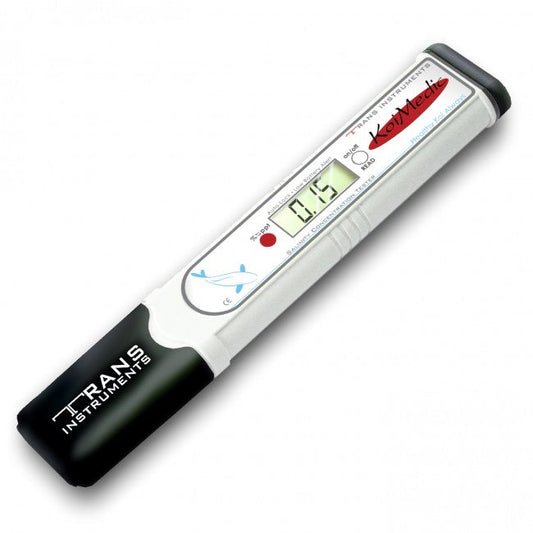
Koi Medic Digital Salinity Tester
Regular price £109.45 GBPRegular priceUnit price per -
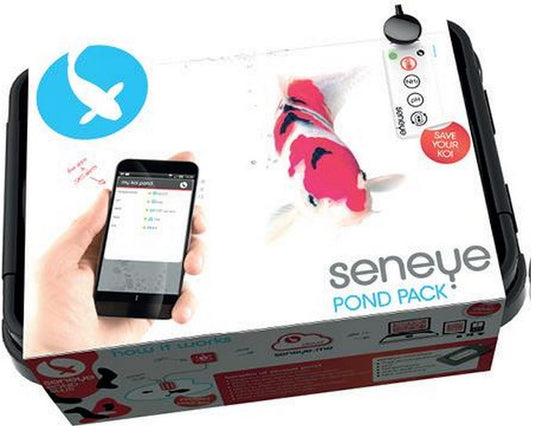
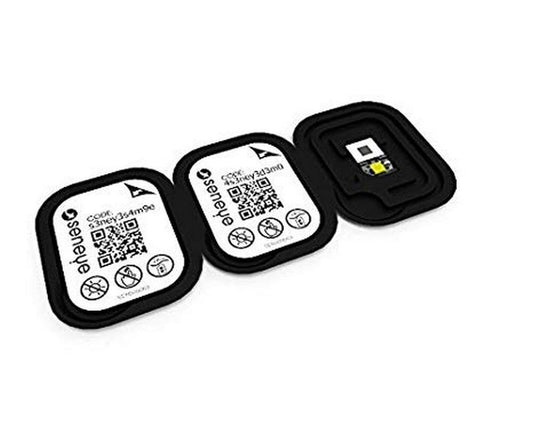
Seneye POND PACK WI-FI (UK)
Regular price £366.99 GBPRegular priceUnit price per -
Floating Pond Thermometer - Accurate Temperature Monitoring
Regular price £11.76 GBPRegular priceUnit price per -
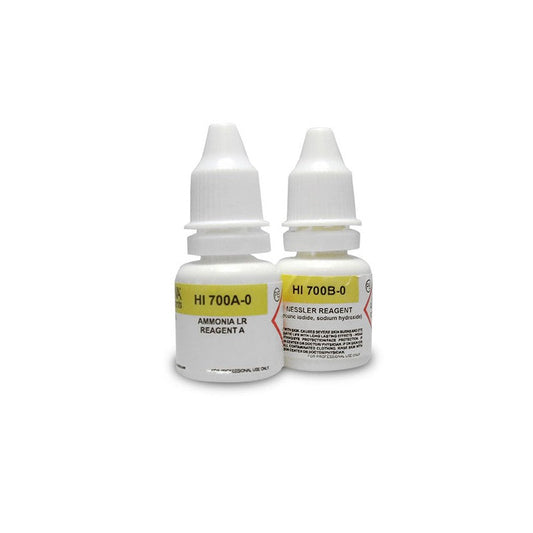
Hanna Pocket Checker - Reagents Ammonia (X25)
Regular price £27.49 GBPRegular priceUnit price per -
Novex Led Junior Microscope 81.500
Regular price £138.35 GBPRegular priceUnit price per -
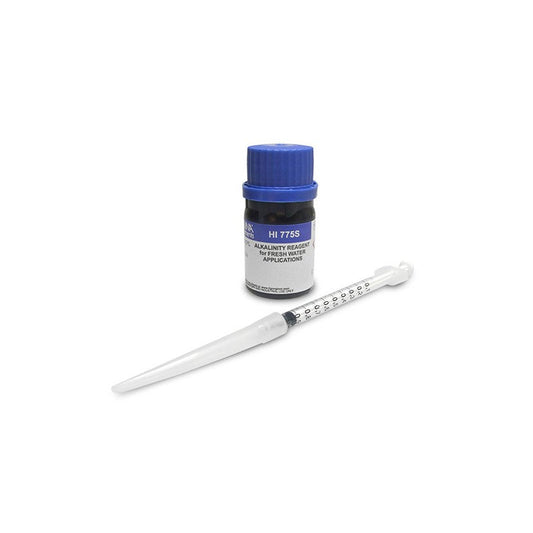
Hanna Pocket Checker - KH/Alkalinty
Regular price £79.99 GBPRegular priceUnit price per -
Seneye Slide Pack (3 x pcs)
Regular price £31.99 GBPRegular priceUnit price per -
 Sold out
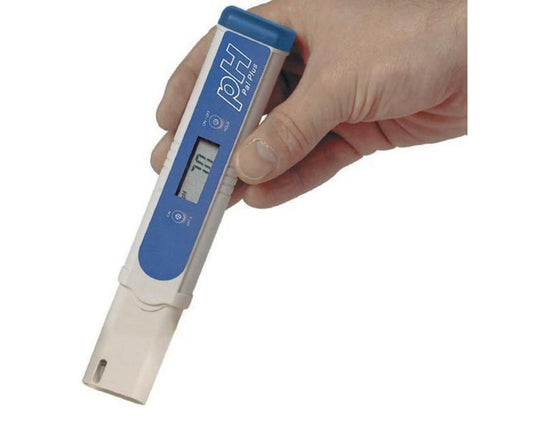
PH Pal + Digital PH Pen Water Tester
Regular price £55.49 GBPRegular priceUnit price per -
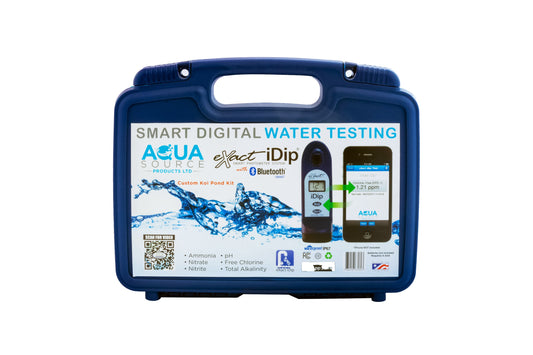
Exact iDip Custom Koi Kit - Smart Water Testing Revolution for Koi Ponds
Regular price £454.13 GBPRegular priceUnit price per -
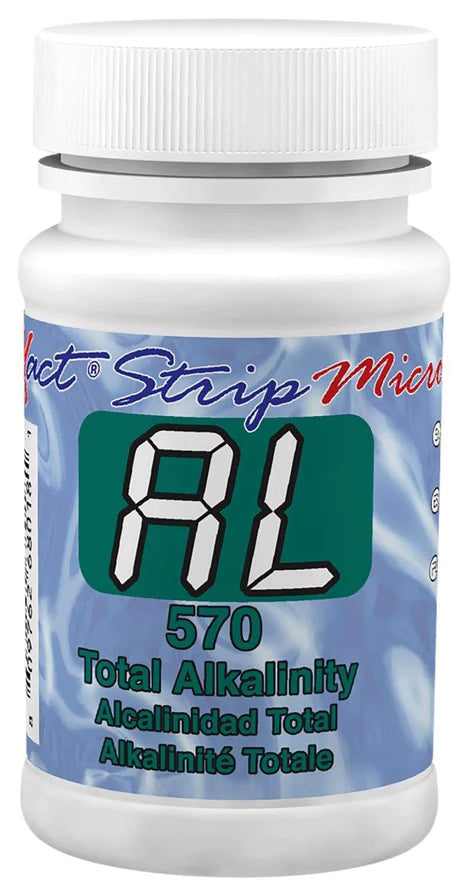
Total Alkalinity Replacement Test Strips for eXact iDip Kits
Regular price £19.98 GBPRegular priceUnit price per -
Free Chlorine DPD 1 Replacement Test Strips for eXact iDip Kits
Regular price £18.92 GBPRegular priceUnit price per -
Hanna Pocket Checker - Reagents KH/Alkalinity (X25)
Regular price £36.08 GBPRegular priceUnit price per -
Hanna Pocket Checker - Nitrite Low Range
Regular price £79.99 GBPRegular priceUnit price per -
Hanna Pocket Checker - Ammonia Low Range
Regular price £83.99 GBPRegular priceUnit price per -
 Sold out
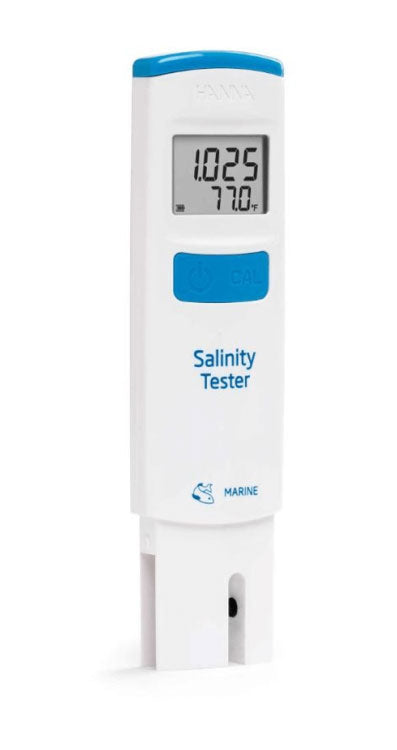
Hanna HI-98319 Salinity Tester
Regular price £108.72 GBPRegular priceUnit price per -
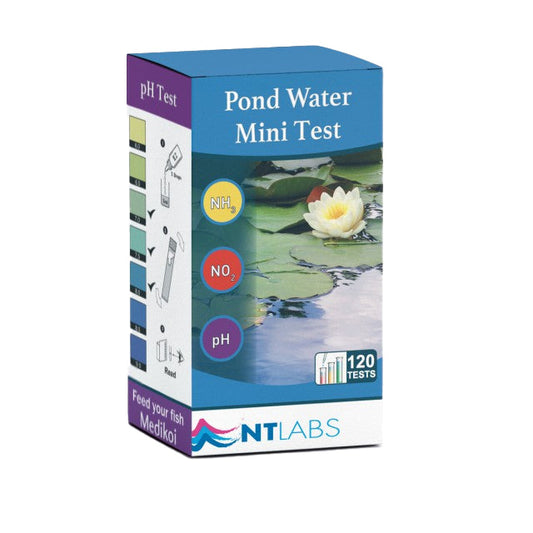
NT Labs - Pond Water MINI Test kit
Regular price £16.14 GBPRegular priceUnit price per






Water Testing kits for Koi ponds
Stable water quality is essential for successfully keeping koi and other pond life healthy. Understanding the nitrogen cycle of your pond allows you to ensure that the health of your fish is a priority, whether you need to check the ammonia, nitrite or nitrate levels. Using water testing kits allows you to monitor and react when levels become unsafe for your koi.
At Hatton Koi, we understand the importance of monitoring your pond water in keeping your koi healthy and in optimal condition. This is why we offer Koi keepers a range of pond testing kits, from simple nitrogen cycle tests to professional master kits that monitor pH, KH, and ammonia, so that you can fully understand the water chemistry of your pond.
Frequently Asked Questions
Are digital water testers accurate?
Digital pond water testing kits are a great way to get a general overview of your water quality. They are designed to be accurate and can be more accurate than manual reagent tests as they are less likely to become contaminated during testing. Equally, they can help those who are less confident in using manual testing kits and are concerned about doing the test wrong.
How to tell if my water quality is poor?
There are some clues that your water quality has decreased, these include a rise in algae blooms, fish becoming less active, and discolouration in your koi. However, whilst there are clues, regular testing should be done to avoid any issues arising in your koi and to prevent them from becoming sick.
How often should a water test be done?
It's good practice to test your water once a month, or more regularly during the summer. This is because fish feed more during the warmer months, which increases the waste load entering the water system. Equally, if you have any native species using your pond, this will also increase the ammonia levels of your pond, so testing for this can help you understand if filter maintenance is needed.
What is the most important thing to test for?
Ammonia is the most important water parameter to test for. As the starting point of the nitrogen cycle, it is also the most potentially damaging to your fish. It is a by-product of waste entering the pond and decomposing, which includes food, dead algae, and any organic matter entering your pond. Whilst your filter needs ammonia to develop beneficial bacteria, having it free in your pond can be toxic for your fish. This is why testing for ammonia first and foremost is crucially important in understanding your pond's water chemistry.
